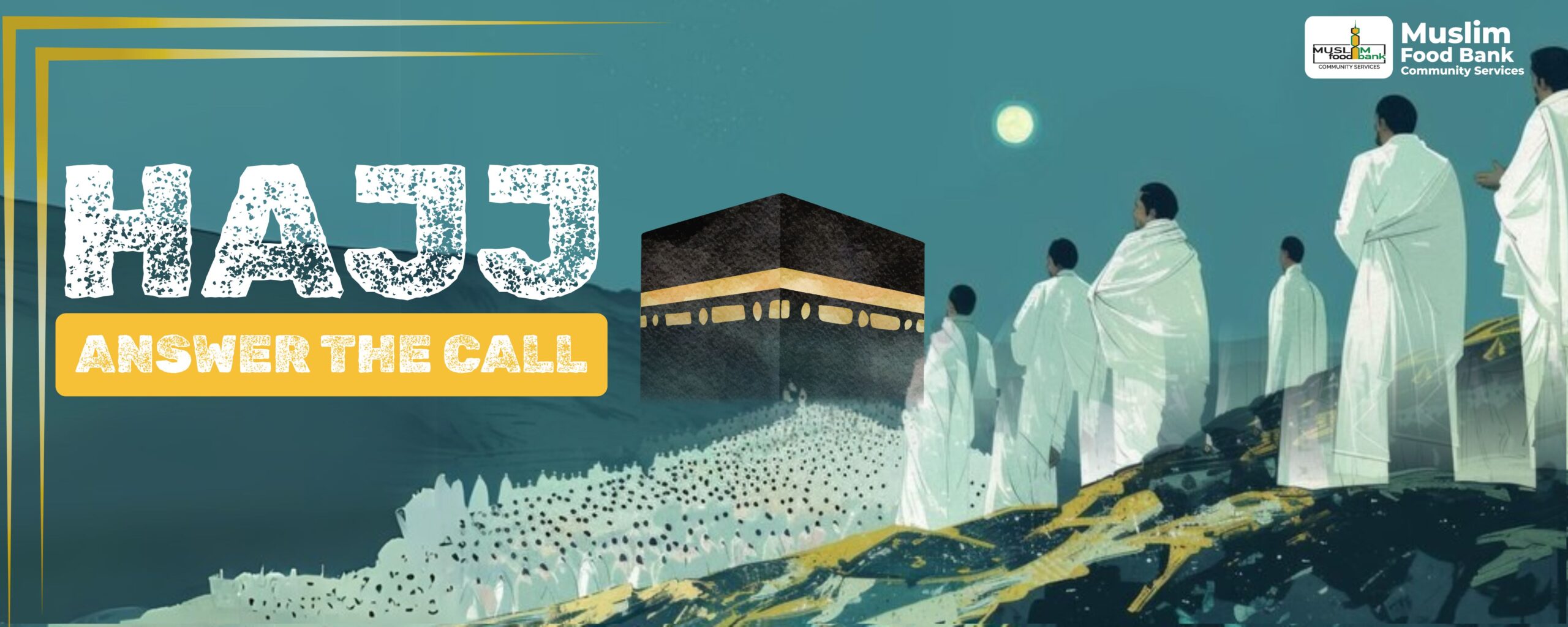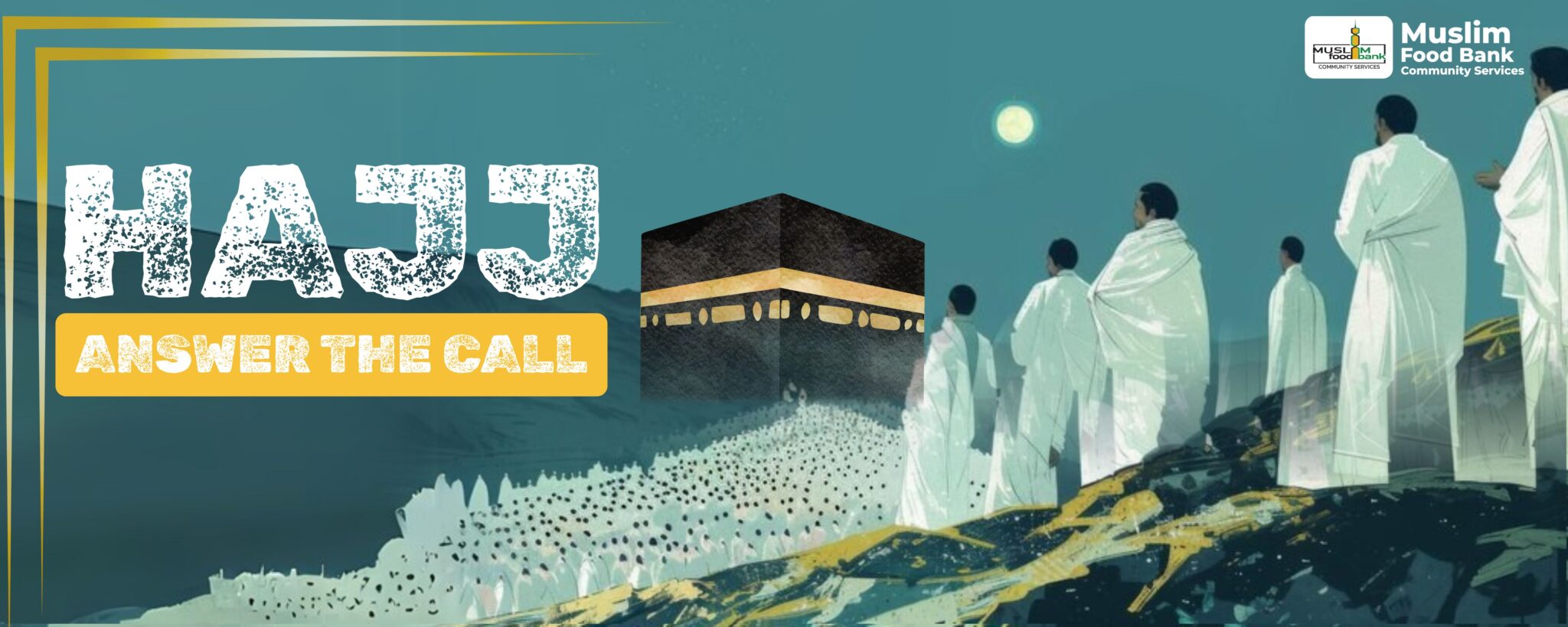
Hajj is one of the five pillars of Islam and one of the most sacred journeys a Muslim can make. It is a pilgrimage to Makkah that brings together worship, sacrifice, patience, unity, and complete submission to Allah.
Hajj 2026 is expected to take place from the 8th to the 13th of Dhul Hijjah 1447 AH, around May 25 to May 30, 2026. The exact dates depend on the official moon sighting in Saudi Arabia. Current Hajj 2026 guides place the Day of Arafah around May 26 and Eid al-Adha around May 27, subject to final confirmation.
What Is Hajj?
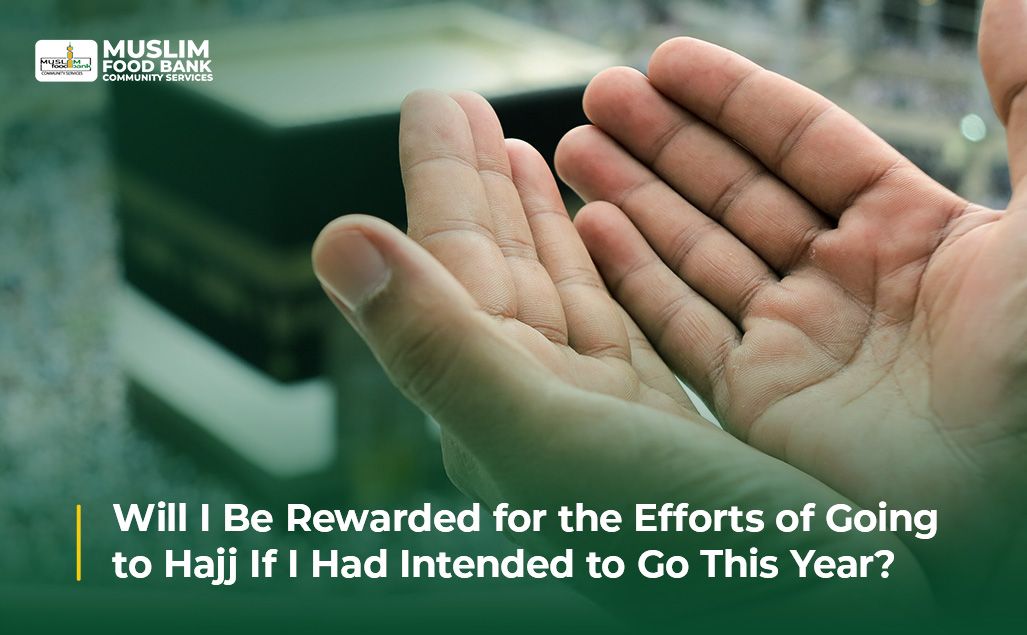
Hajj means pilgrimage. It refers to the sacred journey to Makkah during the month of Dhul Hijjah. Every adult Muslim who is physically and financially able is required to perform Hajj once in their lifetime.
The journey is more than travel. It is worship with the body, heart, wealth, and intention. During Hajj, pilgrims leave behind comfort, status, and routine. In simple Ihram garments, Muslims from every background stand together as equals before Allah.
Hajj reminds the believer of humility, accountability, and the return to Allah. It is a journey of the soul as much as a journey of the body.
Why Hajj Matters
Hajj is a time of deep spiritual renewal. It teaches patience, discipline, sacrifice, and unity. The Prophet ﷺ said that whoever performs Hajj sincerely and avoids sinful behaviour returns free from sin like the day they were born.
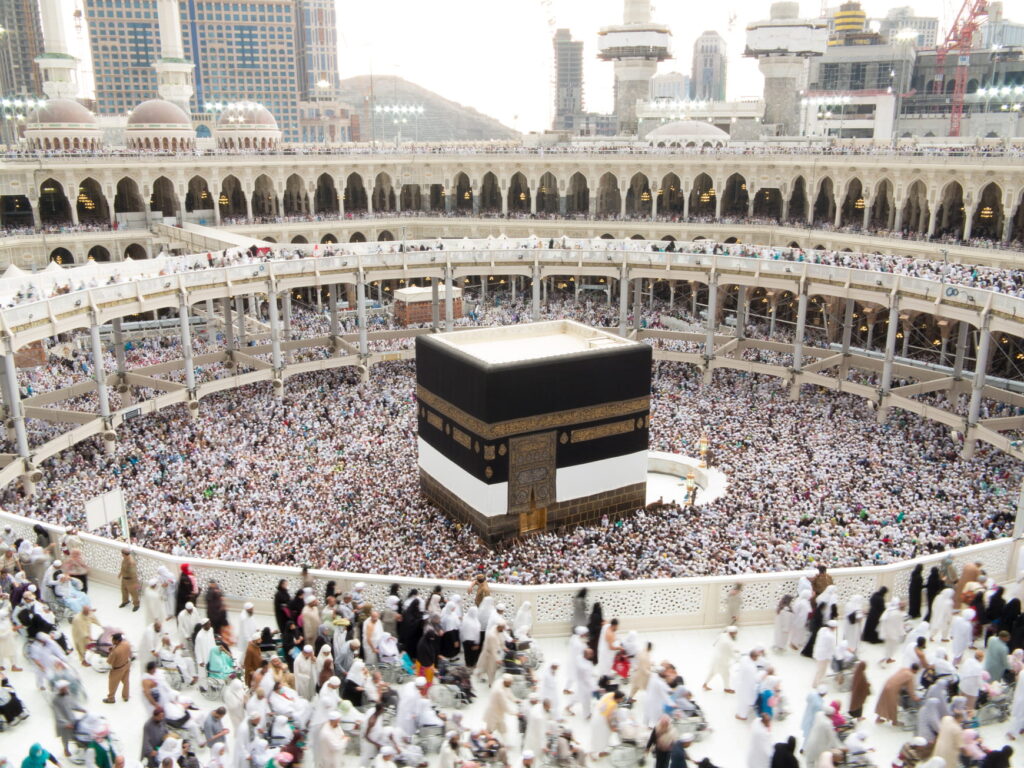
The rituals of Hajj also remind Muslims of the legacy of Prophet Ibrahim, peace be upon him, and his family. From Tawaf around the Kaaba to standing at Arafah and walking between Safa and Marwa, each act carries meaning, memory, and worship.
Hajj 2026 Dates and Key Days
Hajj follows the Islamic lunar calendar, so the dates move each year on the Gregorian calendar. For 2026, Hajj is expected to begin around May 25 and continue until around May 30, subject to moon sighting.
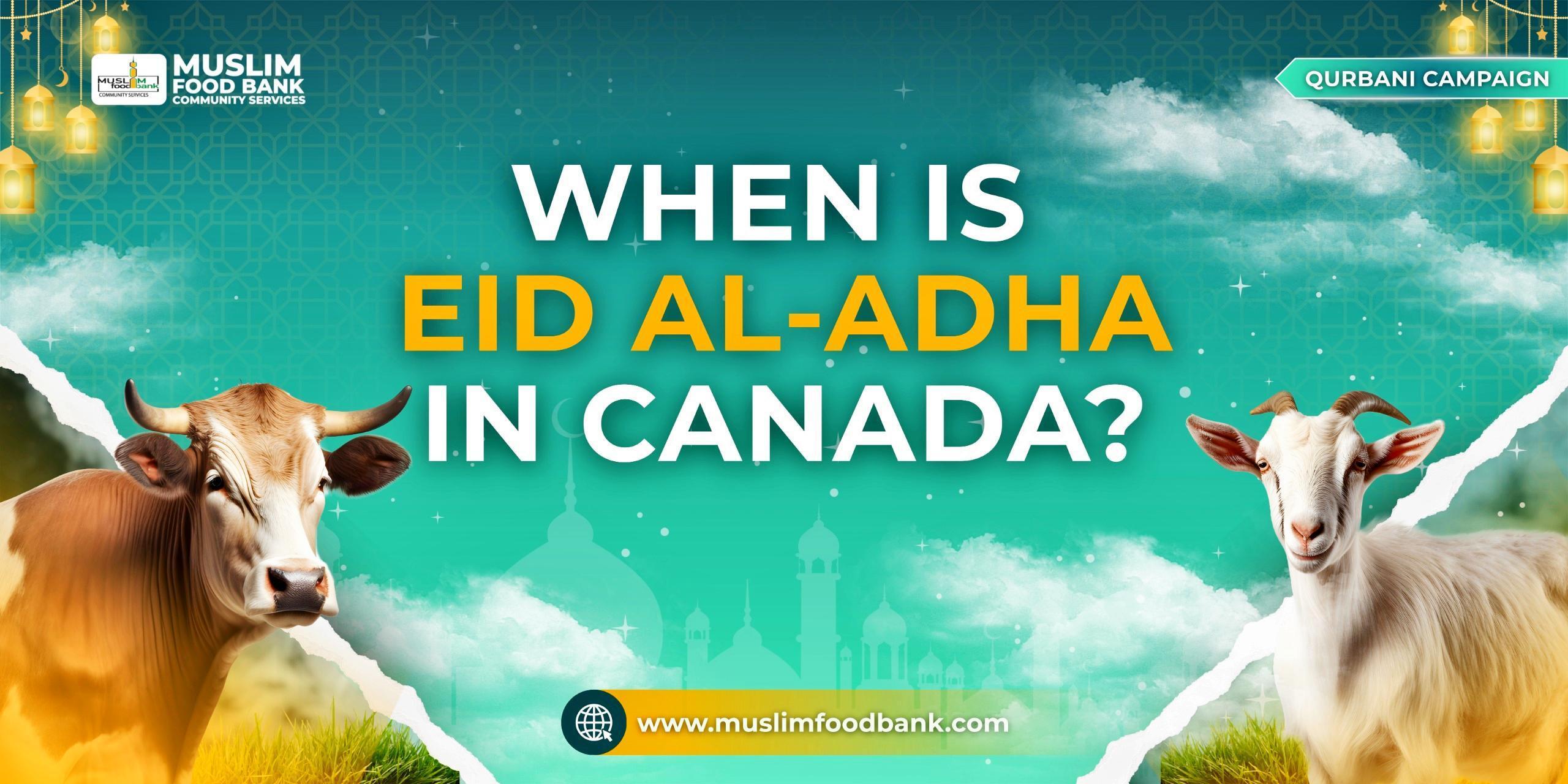
The most important day of Hajj is the Day of Arafah, expected around May 26, 2026. Pilgrims stand at Arafah in prayer, reflection, and dua. The next day is Eid al-Adha, expected around May 27, 2026, when Muslims around the world mark the Festival of Sacrifice.
The Main Rituals of Hajj
Hajj includes a series of sacred rites performed over several days. Pilgrims enter Ihram, travel to Mina, stand at Arafah, spend the night in Muzdalifah, stone the Jamarat, offer sacrifice, and complete Tawaf and Sa’i. These rituals follow the way taught through the Prophets and connect every pilgrim to the history of faith, obedience, and sacrifice.
The standing at Arafah is the heart of Hajj. The sacrifice during Eid al-Adha reflects the devotion of Prophet Ibrahim, peace be upon him. Tawaf around the Kaaba and Sa’i between Safa and Marwa remind the believer of trust, effort, and reliance on Allah.
Eid al-Adha and Qurbani
Eid al-Adha takes place during the days of Hajj. It is the Festival of Sacrifice and remembers the willingness of Prophet Ibrahim, peace be upon him, to obey Allah. Muslims mark Eid with prayer, family gatherings, charity, and Qurbani.
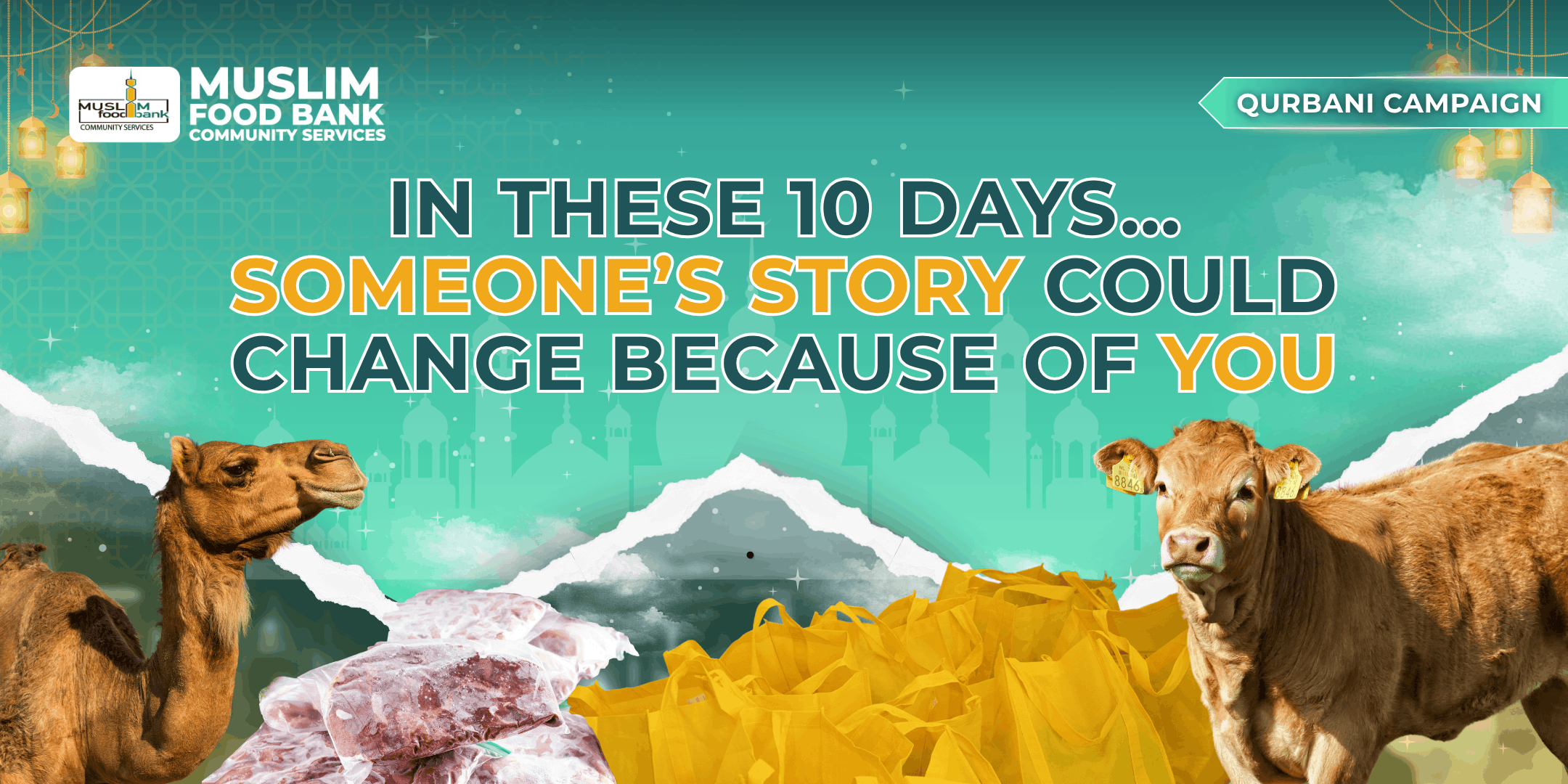
For those not performing Hajj, Qurbani is one of the strongest ways to live the meaning of Eid al-Adha. Through your Qurbani donation, you help provide fresh halal meat to families facing hunger and hardship. You can learn more about fulfilling your Qurbani through Muslim Food Bank’s Qurbani page, or donate your Qurbani directly before Eid so it can be arranged on time.
Make Your Hajj Season Giving Count
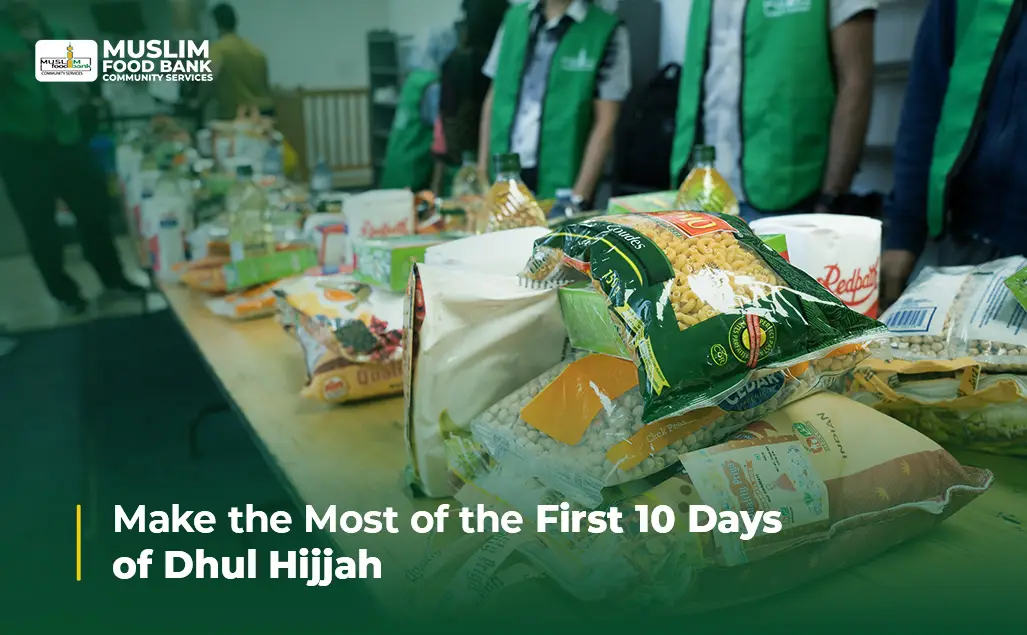
Automate your giving for the first 10 days of Dhul Hijjah and support families through food, care, Qurbani, and essential community programs.
Hajj and Charity From Home
Not every Muslim will perform Hajj in 2026, but the days of Dhul Hijjah remain open for worship and charity. Giving during these days reflects the same spirit of sacrifice, gratitude, and care for others.
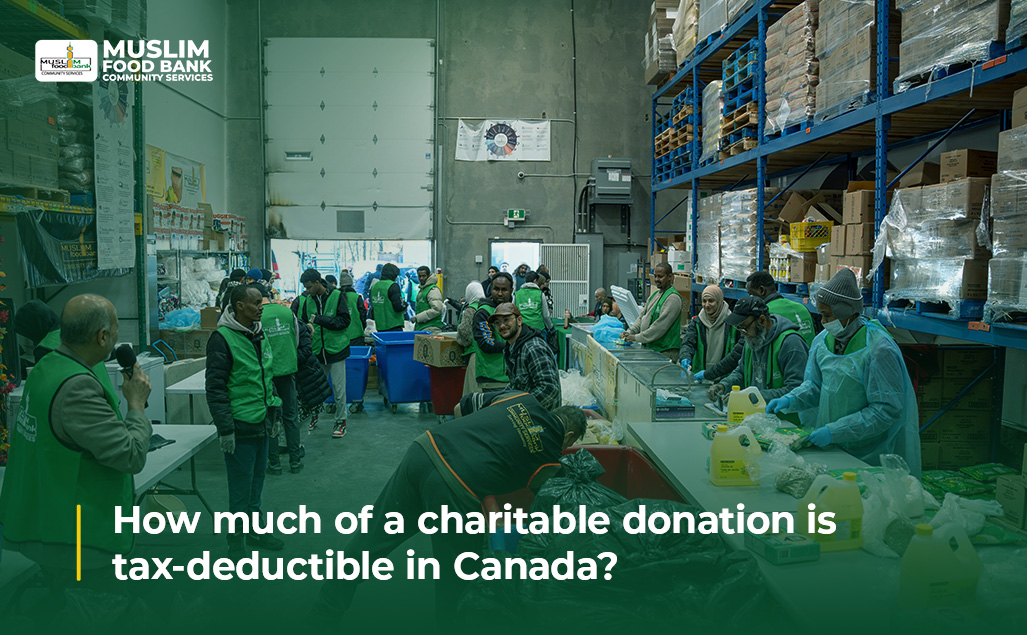
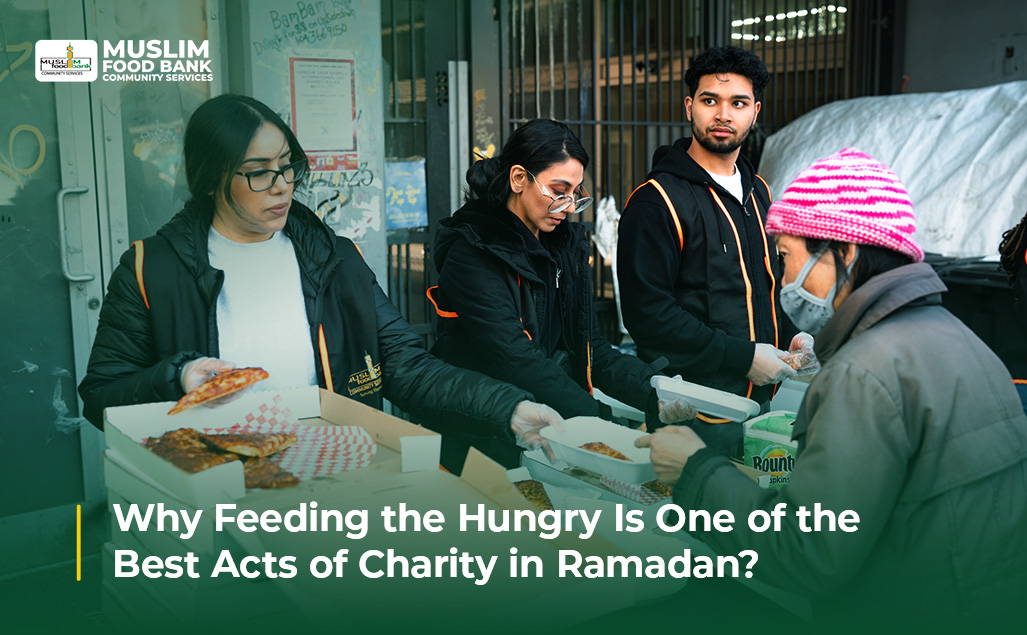
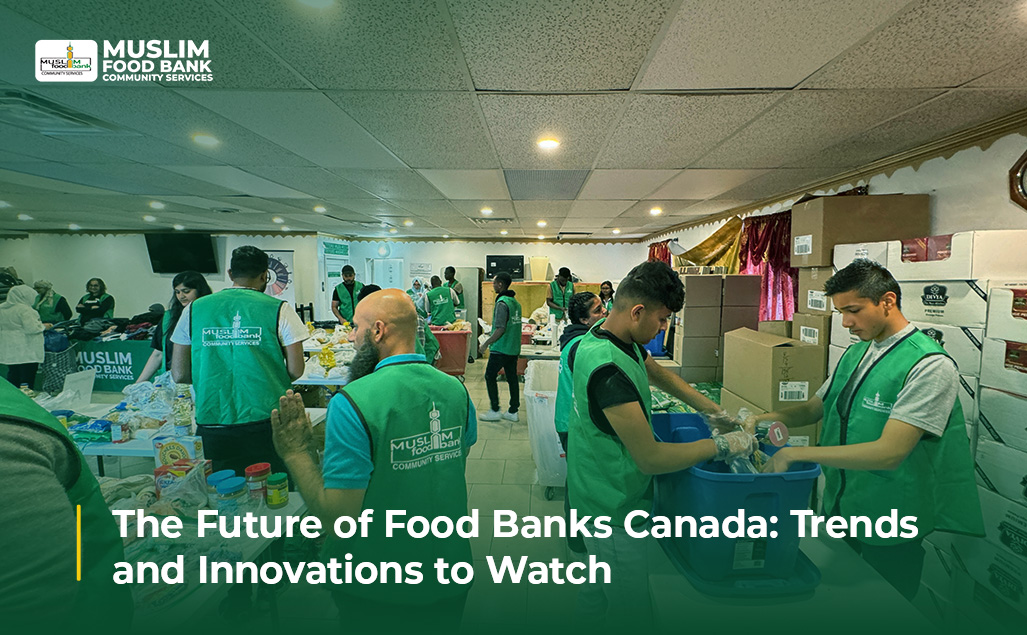
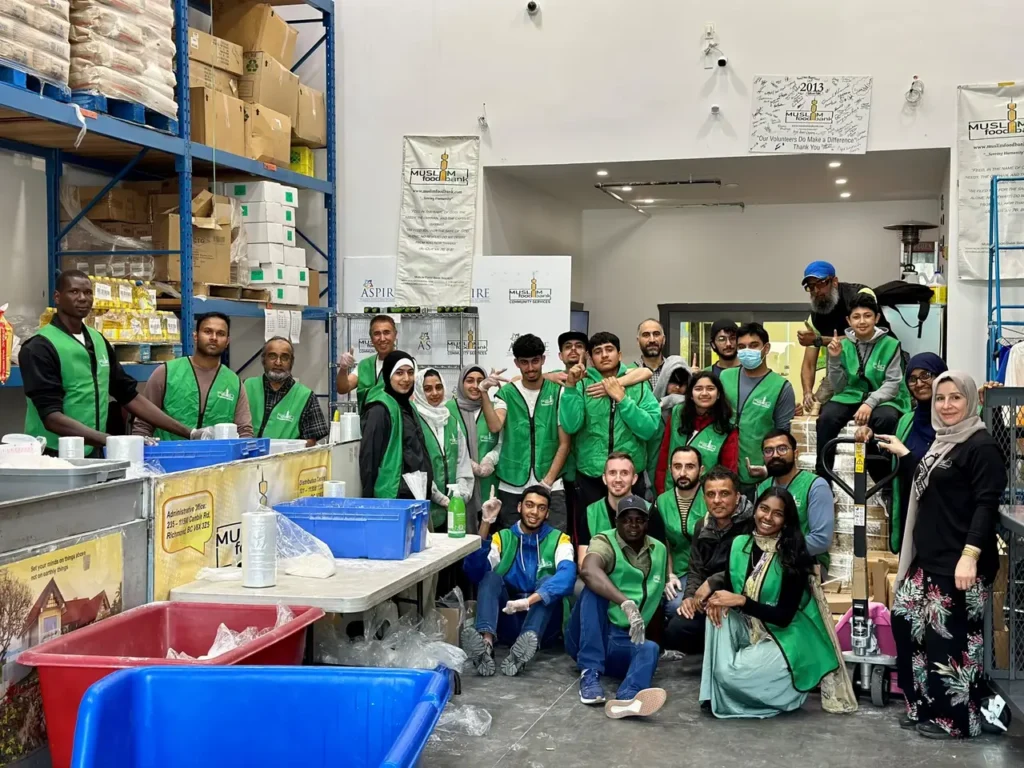
Muslim Food Bank & Community Services supports families through food assistance, Qurbani, counselling, refugee support, youth programs, senior support, and ASPIRE community services. During the Hajj season, your giving can help families facing hunger and hardship while you seek reward in the blessed days of Dhul Hijjah.
If you want to give consistently during these days, you can automate your donation through the 10 Days of Dhul Hijjah Giving page. This helps your charity continue across the first ten days and supports families through food, care, Qurbani, and essential community programs.
How to Honour Hajj Season
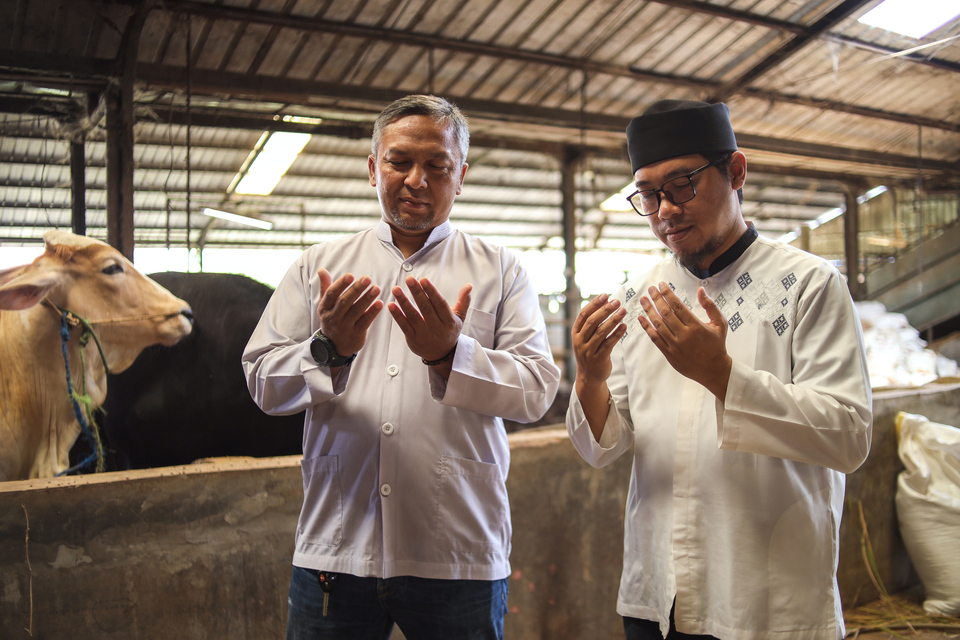
The Hajj season is a time to renew intention. For those not travelling to Makkah, this period can still be filled with worship, dua, fasting on the Day of Arafah if able, giving charity, fulfilling Qurbani, and supporting people in need.
Hajj teaches that worship is not only personal. It also creates compassion. It reminds us to give from what Allah has provided and to remember families who are facing hardship during the days of Eid.
When is Hajj 2026?
What is Hajj?
When is the Day of Arafah in 2026?
When is Eid al-Adha 2026?
What is the connection between Hajj and Qurbani?
How can I give during the Hajj season?
Final Thought
Hajj is a journey of submission, sacrifice, and return to Allah. Whether you are preparing for Hajj, supporting someone who is going, or observing the days of Dhul Hijjah from home, this season invites every believer to act with sincerity and generosity.
As Hajj 2026 approaches, make these blessed days meaningful through worship, charity, and service. Fulfill your Qurbani, give during Dhul Hijjah, and help families receive food and support with dignity.