Charity in Islam is not merely an act of kindness but a fundamental aspect of faith, deeply rooted in the Quran and the Prophet Muhammad’s (PBUH) teachings. Giving charity is a way for Muslims to purify their wealth, aid those in need, and strengthen community bonds.
Keep reading to know Charity is so important in Islam:
Why is Charity so important?
Here are reasons why charity is a noble act in Islam:
1. A Pillar of Faith
Charity is one of the Five Pillars of Islam, specifically through Zakat, which is obligatory for all eligible Muslims. Zakat represents the importance of redistributing wealth to ensure that the less fortunate are cared for, reinforcing the value of social responsibility. By fulfilling this duty, Muslims purify their wealth and demonstrate their faith in action.
2. Spiritual Purification
In Islam, giving charity purifies both the wealth of the giver and their soul. It is believed that by giving to those in need, Muslims cleanse themselves of greed and attachment to material possessions. This purification helps them achieve spiritual growth and closeness to Allah (God). The Quran highlights this spiritual benefit in many verses, including one that says, “
You will never attain righteousness until you give from that which you love.” (Quran 3:92).
3. Social Justice and Equality
Charity is a tool for promoting social justice and reducing inequality within society. Islam emphasizes the need to support the vulnerable, such as people with low incomes, widows, orphans, and those in debt.
By contributing through Zakat or Sadaqah (voluntary charity), Muslims help create a more balanced society where wealth is shared and the suffering of the less fortunate is alleviated. This creates a stronger sense of community and solidarity.
4. Reward in This Life and the Hereafter
Islam promises numerous rewards for those who give charity. These rewards include increased blessings and prosperity in this life, spiritual protection, and a higher rank in the afterlife. The Prophet Muhammad (PBUH) said,
“Charity does not decrease wealth. No one forgives another except that Allah increases his honor, and no one humbles himself for the sake of Allah except that Allah raises his status.” (Sahih Muslim).
Charity is viewed as an investment that benefits the giver both in this world and the afterlife.
5. Encouraging Generosity and Empathy
Charity nurtures the values of empathy, generosity, and kindness. Muslims are encouraged to give to fulfill a religious duty and develop a deeper sense of compassion for others.
Through charitable acts, believers are reminded of their duty to care for their fellow human beings, regardless of race, religion, or status. Giving strengthens community bonds and fosters a sense of shared responsibility.
Ready to Support Families in Need?
Your charity helps provide food, care, and essential support to individuals and families facing hardship. Give today and help create lasting impact.
6. Building a Compassionate Society
Islam teaches that a compassionate and just society is built on the collective effort of its members. By giving to those in need, Muslims help uplift their communities, support humanitarian causes, and contribute to global well-being.
The life of Prophet Muhammad (PBUH) is filled with examples of his generosity, where he would constantly encourage others to give and personally distribute wealth to the less fortunate. His teachings stress the idea that by helping others, society as a whole prospers.
7. A Form of Gratitude
Charity in Islam is seen as a form of gratitude to Allah for the blessings one has received. It acknowledges that wealth is a trust from Allah, and sharing it is a way of showing thankfulness. The Quran advises Muslims to be mindful of their blessings and to give generously from what they have been granted.
Rise Above and Give Sadaqah to Uplift Others
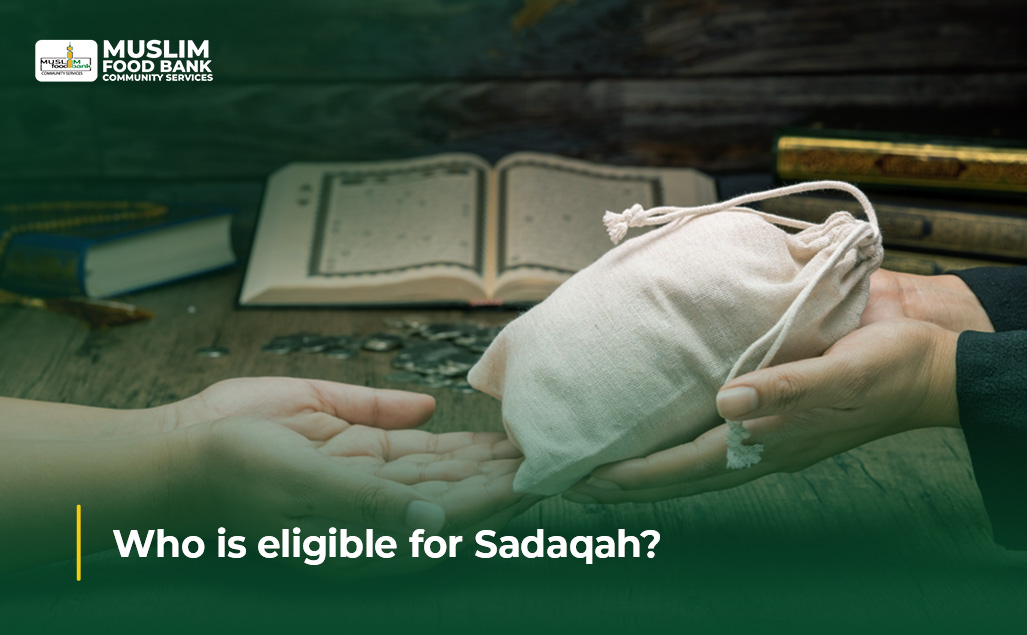
Giving has many ways, from small daily acts to larger contributions. Consider Sadaqah, which is one of the best ways to practice charity. As Prophet Muhammad (PBUH) said,
“The believer’s shade on the Day of Resurrection will be his charity,” reminding us of the profound and lasting impact of giving for the sake of Allah SWT. [1]
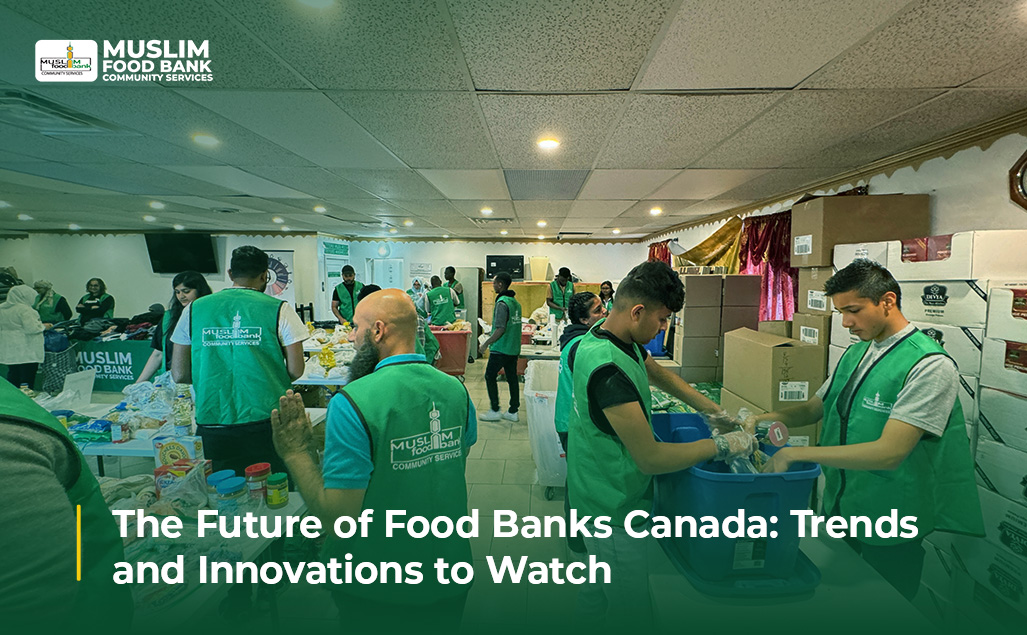
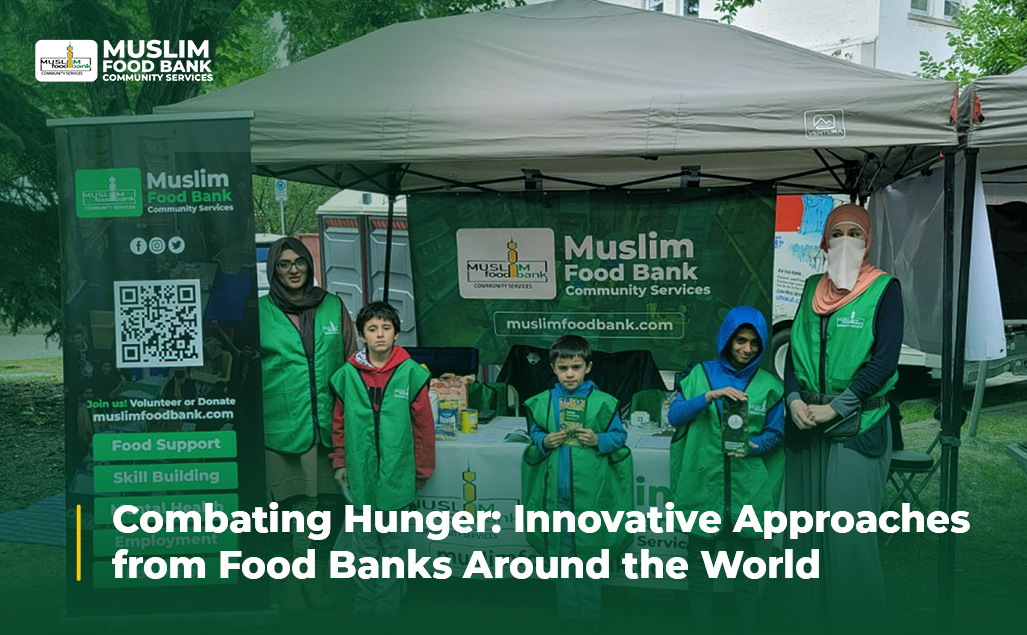
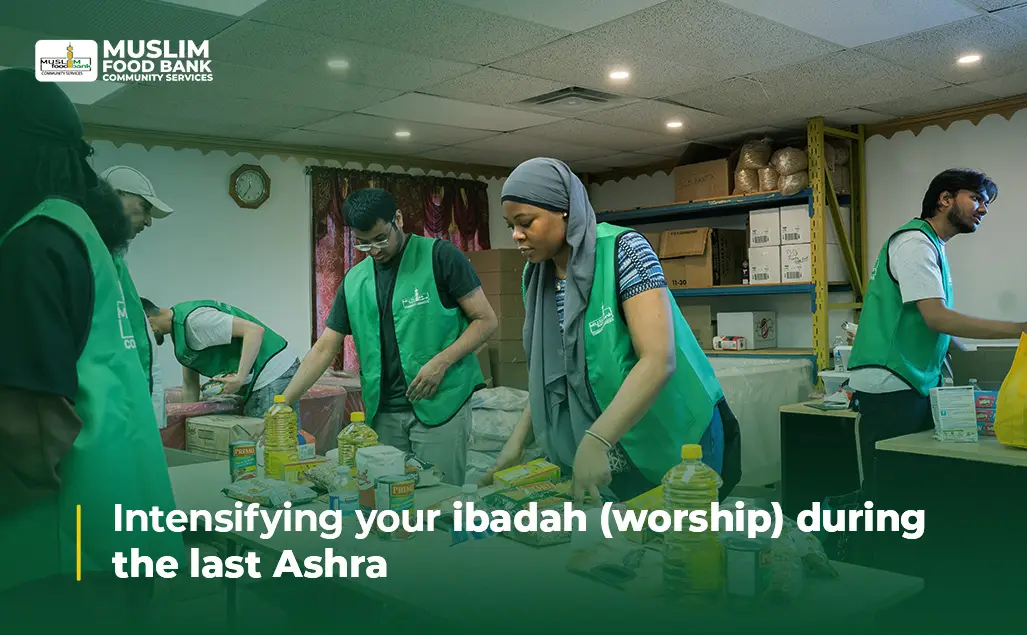
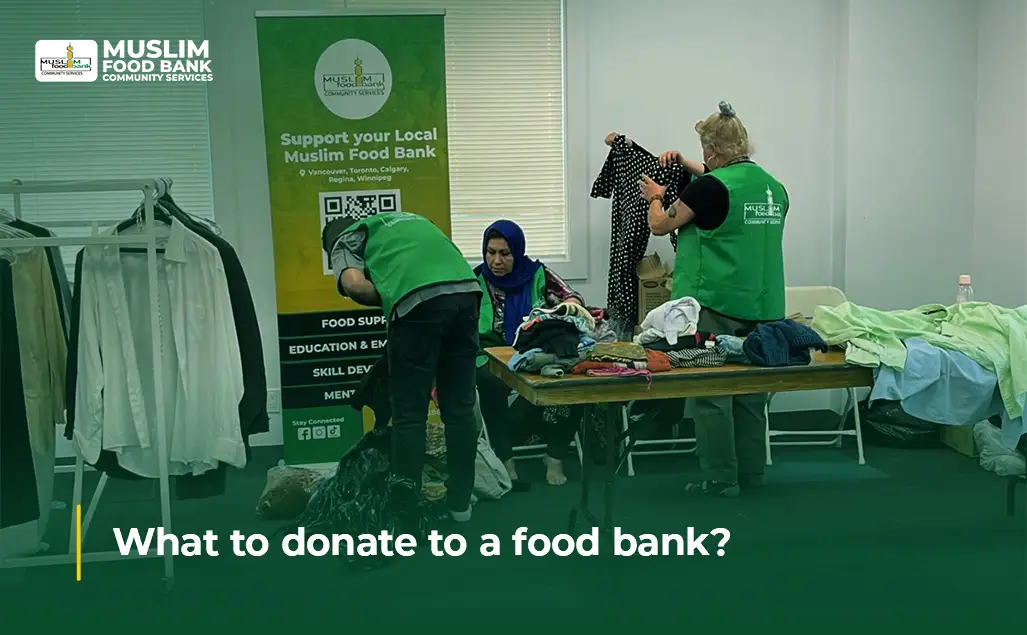
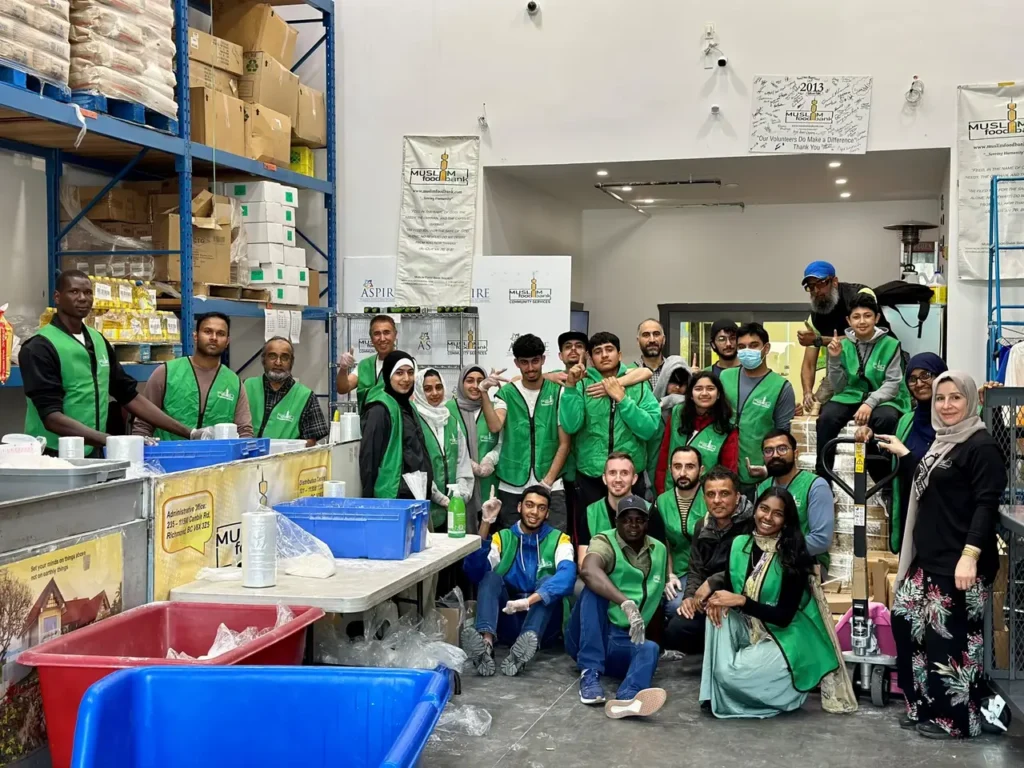
Consider giving sadaqah to Muslim Food Bank and Community Services. We are working for a bigger cause, from feeding the homeless and providing shelter to orphans to tackling hunger in Canada.